Prelims Cracker
Prelims Cracker

★ 🆕 Pre-Order Environment 4th Edition ⚡️ Ships from Feb 20th. First-Order-First-Ship! ★                      ★ Download Prelims Magnum 2026 — Yearly [FREE] ★                      ★ Prelims Cracker 2026 Combo Deal ⚡️ Magnum Crash Course + Test Series ★                      ★ PMF IAS Impact 🎯 53 Direct Hits in Prelims 2025 ★

Olive Ridley Sea Turtles

Prelims Cracker
  • Context (DTE): The Olive Ridley sea turtle’s anticipated mass nestings in Rushikulya River mouth, Odisha, due to conducive climate and beach conditions.

Olive Ridley Turtles

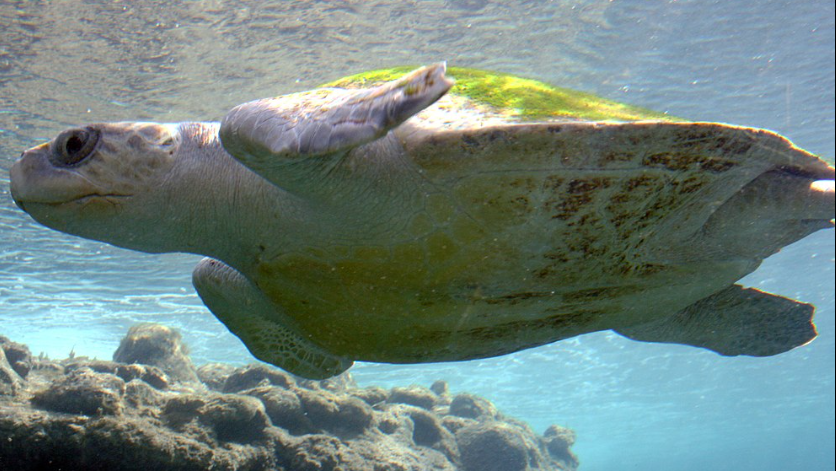
  • Olive Ridley sea turtles (Lepidochelys olivacea) is the second-smallest and most abundant sea turtle globally.
  • They are known for unique arribadas (synchronised mass nestings), where thousands of females come together on the same beach to lay eggs.

Olive Ridley Turtles

Physical Characteristics

  • Males and females grow to the same size, but females have a slightly more rounded carapace.
  • The carapace is heart-shaped and rounded, giving it the common name “olive ridley.”
  • Hatchlings are dark grey, appearing black when wet.

Distribution

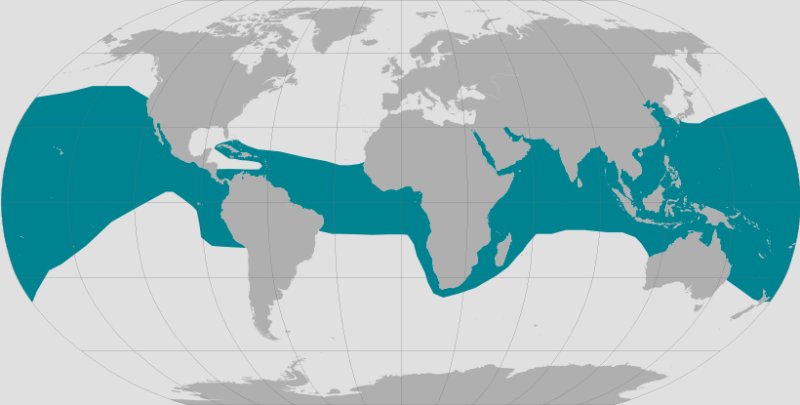
  • They are found in warm and tropical waters, primarily in the Pacific and Indian Oceans and warm areas of the Atlantic Ocean.
  • The Gahirmatha Beach of Odisha (India) is the most significant breeding ground for these turtles.

Olive Ridley Turtle distribution

Diet

  • They are carnivorous, especially in the immature stages of their lifecycle.

Ecological Significance

  • Mass nesting influences beach ecosystems and maintains population dynamics.

Conservation Status

  • IUCN Red List: Vulnerable
  • CITES: Appendix I
  • Threats: Unsustainable egg collection, slaughtering on the beach, boat collisions, marine debris, natural disasters, climate change, & beach erosion.

Never Miss an Update!

Leave a Reply

Your email address will not be published. Required fields are marked *