NEW Prelims Cracker 2027 ⚡️ Starts July 1st 📞 Call Now: 9211591415 ★                      ★ NEW GS Foundation 2027 ⚡️ Just Started ⬇️ Download Brochure 📞 Call Now: 9211591415 ★                      ★ PMF IAS Impact 🎯 53 Direct Hits in Prelims 2025 and 🎯 46 Direct Hits in Prelims 2026 ★

Operation Pawan

  • Context (TOI): Soldiers of Operation Pawan were remembered at the National War Memorial in Delhi.
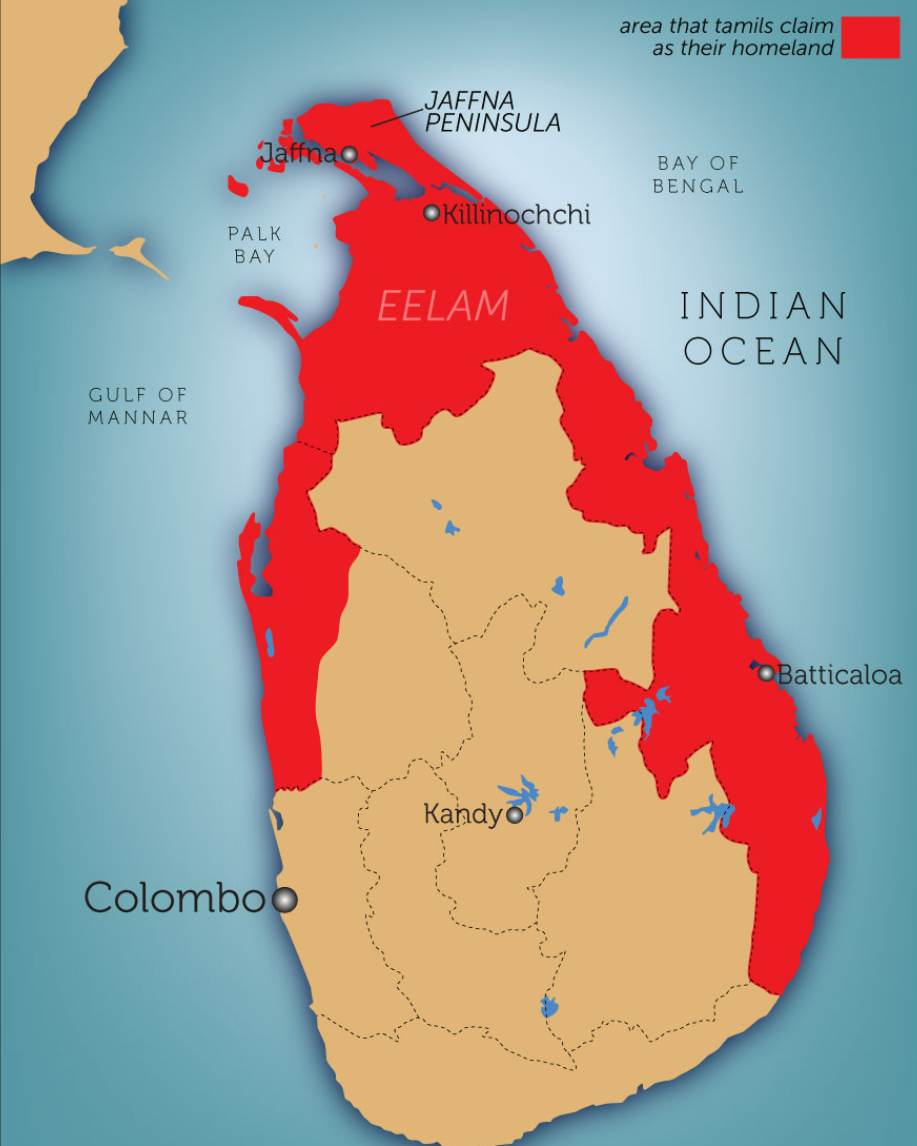
  • Operation Pawan was carried out by the Indian Peace Keeping Force (IPKF) to take control of Jaffna from the Liberation Tigers of Tamil Eelam (LTTE) in late 1987.
  • LTTE disarmament was a part of the Indo-Sri Lanka Accord in the aftermath of Sri Lankan civil war.
  • IPKF was inducted on 30 July 1987. The first IPKF operation was launched on 9 October 1987.
  • IPKF was successful in taking control of the Jaffna Peninsula from the LTTE after a two-week-long war.
  • The operation was terminated on 24 March 1990.
  • Though it achieved its stated objectives, it is often criticised. It does not receive “formal” commemoration at the National War Memorial, Delhi. However, Sri Lanka has built a memorial for it.

A map of sri lanka with red and brown colors Description automatically generated

Indo-Sri Lanka Accord

  • It was signed in Colombo on 29 July 1987 by then Prime Minister Rajiv Gandhi and President J.R. Jayawardene to resolve Sri Lanka’s ethnic conflict.
  • The Sri Lankan government agreed to give the nation’s provinces more power and autonomy and withdraw its troops. The Tamil separatists were to surrender their arms as well.
  • However, LTTE declared their intent to continue the armed struggle for an independent Tamil Eelam and refused to disarm.
  • 13th Amendment: It created Provincial councils and promised devolution of power to provinces, including Sinhala areas. Official language status to Tamil was also promised. However, successive governments have not implemented it.

Leave a Reply

Your email address will not be published. Required fields are marked *