Prelims Magnum Crash Course

Download Prelims Magnum 2026 — Yearly [FREE] ★                      ★ Prelims Cracker 2026 Combo Deal ⚡️ Magnum Crash Course + Test Series ★                      ★ PMF IAS Impact 🎯 53 Direct Hits in Prelims 2025 ★

Global Initiative on Digital Health (GIDH)

Prelims Cracker
Prelims Cracker
  • Context (IE): The World Health Organization (WHO) and the G20 India presidency have jointly unveiled the Global Initiative on Digital Health (GIDH).

Global Initiative on Digital Health

  • The GIDH operates as a WHO-managed network and platform to support the implementation of the Global Strategy on Digital Health 2020–2025.
  • The WHO serves as the Secretariat for the implementation of the strategy, bringing together global standards, best practices, and resources to fast-track digital health transformation.
  • The GIDH aims to address the need for countries to establish national digital health infrastructure with appropriate governance, policy, and a competent health workforce.

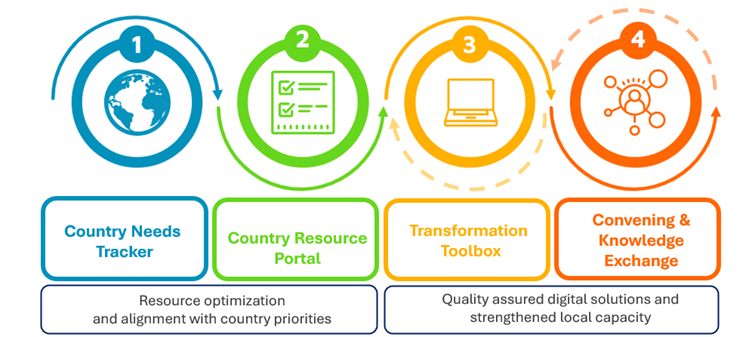
Foundational Pillars of GIDH

Global Initiative on Digital Health

Global Strategy on Digital Health 2020–2025

  • The strategy focuses on various domains of digital health, including telemedicine, health information systems, eHealth, mHealth, and artificial intelligence (AI) applications.
  • It aims to accelerate the adoption and integration of digital health solutions worldwide.
  • It recognises the transformative potential of digital technologies in achieving universal health coverage, improving health outcomes, and enhancing health systems.
  • Implementation: The strategy encourages collaboration among governments, international organisations, the private sector, and civil society.

Strategic Priorities

  • Universal Health Coverage: Leveraging digital tools to expand access to quality healthcare services.
  • Health Emergencies: Enhancing preparedness and response during health crises (such as pandemics).
  • Health Systems Strengthening: Improving health system efficiency, resilience, and equity.
  • Data for Decision-Making: Using data analytics for informed policy and program decisions.
  • Digital Literacy: Promoting digital literacy among healthcare providers and the public.

Never Miss an Update!

Leave a Reply

Your email address will not be published. Required fields are marked *