Chinese Foreign Affairs Minister visits Africa

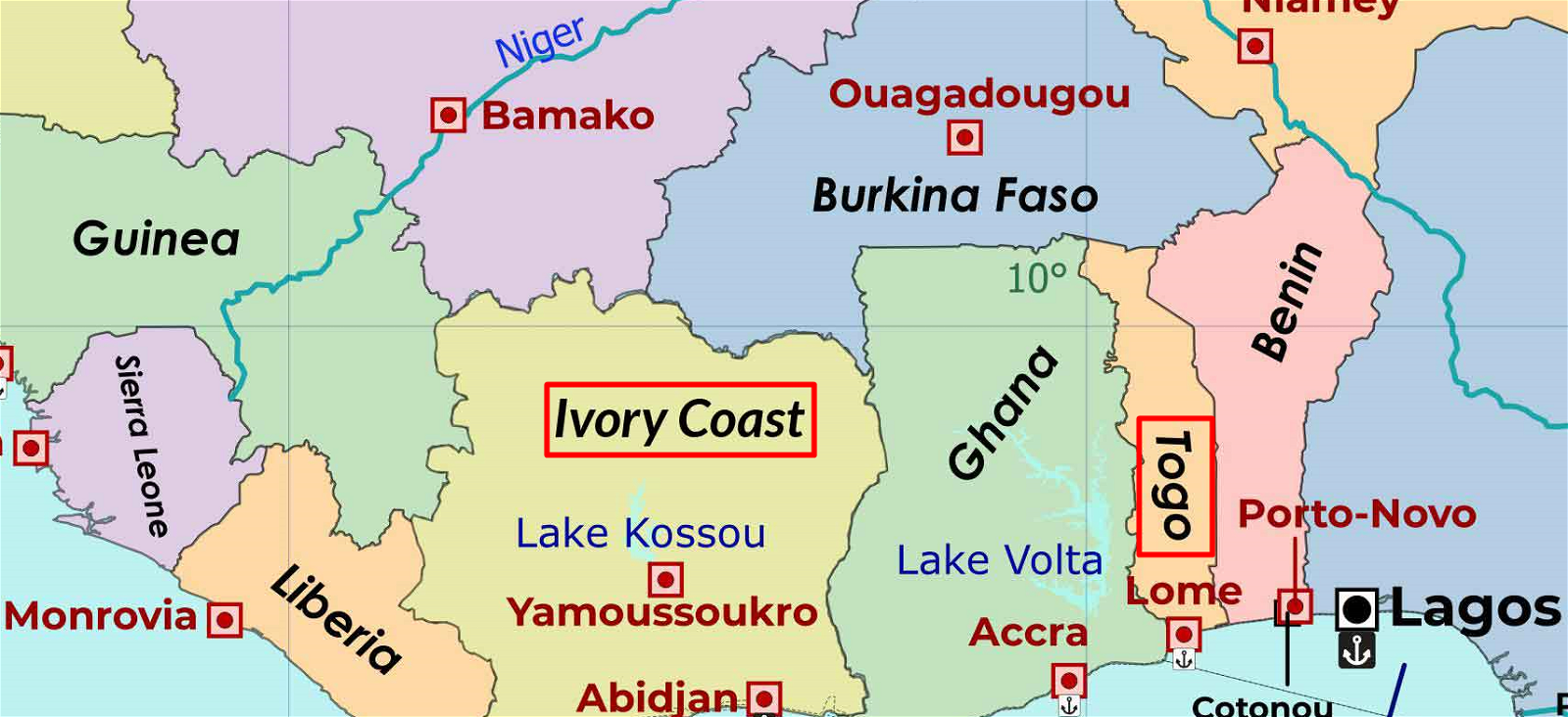
  • Context (TH): The Chinese Foreign Affairs Minister visited Egypt, Tunisia, Togo and the Ivory Coast.

A map of ivory coast

A map of egypt

Objectives of visit

  • China-Africa Leaders Dialogue implementation, which includes support for Africa’s industrialisation, agricultural modernisation, and cooperation on talent development.
  • Crucial for the agenda of the upcoming ninth Forum on China-Africa Cooperation (FOCAC).
  • In 2000, the FOCAC held its first dialogue, aiming to consolidate China-Africa cooperation under diplomacy, investment, and trade.

Evolution of Sino-Africa Relations

  • China supported several African liberation movements during the Cold War era.
  • In the 70s, African countries supported China’s permanent seat bid in the UN Security Council.
  • Go Out Policy: China encouraged its companies to invest in Africa.
  • In 2013, China and 52 African countries signed the Belt and Road Initiative (BRI) agreements.
  • Raw Material Export: Africa’s largest trading partner & destination of one-fourth of its raw material.
  • Strategic investor: The Chinese Navy stationed its first international base in Djibouti.

Chinese interests in Africa

  • Natural Resources: Africa supplies 90% of the world’s cobalt and platinum and 75% of coltan, which is essential for electronics, with China having large refineries in Africa.
  • African alliance and geopolitics: Africa is the largest block in UNGA and a potential supporter of contentious issues of China.
  • One China Policy: Africa has supported the “One China Policy” in Taiwan and Hong Kong issues.
  • Renminbi (Yuan) acceptance: With “Yuan-based panda bonds” and “debt restructuring”, China is trying to push the Yuan as an alternative to the dollar.
  • African market: Africa’s young population and cheap labour force support Chinese exports.

African interests

  • Financial Support: It receives investment, trade and development aid from China.
  • Agriculture sector: Chinese support for hybrid crops helped Africa further its agricultural sector.
  • Infrastructure: Chinese-built infrastructure and industrial parks generated employment opportunities, furthering the idea of “Made in Africa”.
  • No conditionality: No conditionality on Chinese developmental aid (unlike the West) serves African authoritarian interests

Never Miss an Update!

Leave a Reply

Your email address will not be published. Required fields are marked *