
Issues in Hill stations | Kodaikanal Hills
- Context (TH): Kodaikanal Hills are facing degradation due to rampant tourism.
- It derives its name from two Tamil words: Kodai, meaning “gift,“ and kanal, meaning “forest,“ which translates to “gift of the forest.“
- Location: Palani Hills of the Western Ghats (Dindigul, Tamil Nadu).
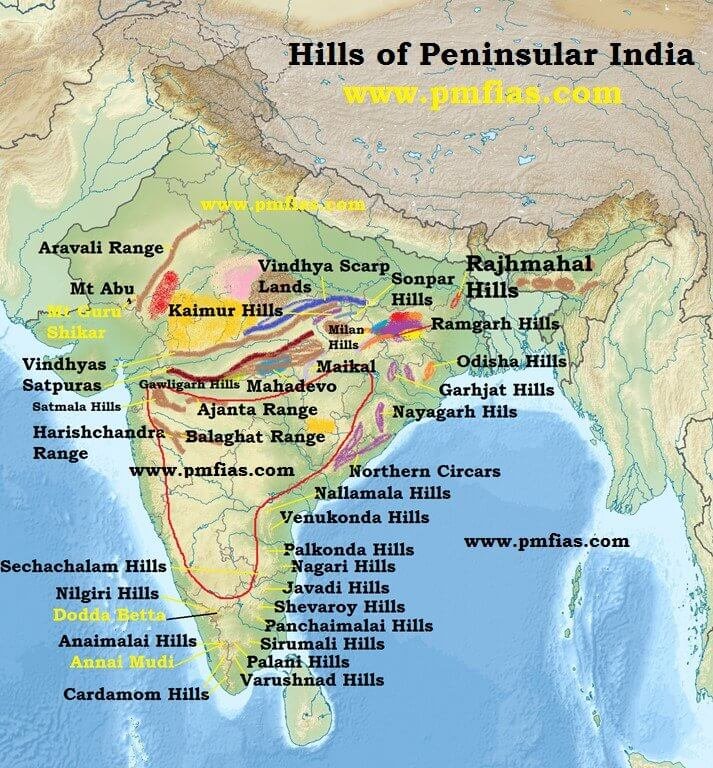
- It is a popular tourist destination, the “Princess of Hill stations” and a “Sky Island”
- It is a plateau at an elevation of 2225 meters, housing man-made Kodaikanal Lake at its heart.
Sky Islands
|
Issues haunting Hill stations in India
- Overcrowding: Rising temperatures in plains, revenge tourism, and easier connectivity have contributed to exceeding these destinations’ carrying capacity.
- Degradation of the fragile ecosystem: Hill Stations have high endemism and a very fragile ecosystem that is on the brink of fallout.
- Vulnerability to disasters: Disastrous landslides, avalanches, and flash floods are increasing.
- Tourism-centric development: With Multi-floor buildings, mass tourism ventures, and artificial beautification projects, the entire economy of such hill stations lacks real development.
- Unregulated tourism is amplified by narrow, winding roads up steep inclines, poor infrastructure, limited medical care, and negligible parking space.
- Water and sanitation issues: High footfall highlights other issues associated with excessive tourism, such as sewage, sanitation, and acute water shortages.
Unsustainable tourism in Kodaikanal
- Poor Waste Management System: On an average day, 20 metric tonnes of unsegregated waste is dumped at dump sites near reserve forests.
- Mushrooming of Homestays: Tamil Nadu Tourism’s 2022 guidelines for homestays and B&Bs (bed and breakfasts) have led to a surge in the Nilgiris.
- Lack of ban on plastic: Kodaikanal, unlike many other hill stations, doesn’t enforce a ban on single-use plastic, leaving behind a heap of it.
- Loss of sholas: In the last 40 years, Palani Hills, which runs through Tamil Nadu and Kerala, has lost around 80% of its grasslands and shola forests due to invasive species and deforestation caused due to agriculture and tourism.
Manjummel effect
Guna caves
|
Way forward
- Carrying capacity assessments: Quantification of the carrying capacity of fragile ecosystems is a must to estimate the ecosystem’s sustainability.
Carrying capacity in tourism
Efforts to assess Carrying capacity
|
- Restricting number of tourists: Inflow must be capped at a sustainable level, using means like e-pass.
- Responsible tourism: Tourism needs to be “responsible” and in line with the Mission LiFE, such as the Swachhata Green Leaf Rating (SGLR) initiative and Sustainable tourism plan.
Related Posts


