★ 🆕 Agriculture 1st Edition ⚡️ Order Now! ★                      ★ 🆕 Environment 4th Edition ⚡️ Order Now! ★                      ★ Download Prelims Magnum 2026 — Yearly [FREE] ★                      ★ Prelims Cracker 2026 Combo Deal ⚡️ Magnum Crash Course + Test Series ★                      ★ PMF IAS Impact 🎯 53 Direct Hits in Prelims 2025 ★

Somnath Temple

Prelims Cracker
PMF IAS Foundation Course (History) ()
  • Context (IE): The inauguration of Ram Temple by PM Modi brought into focus the Somnath Temple, inaugurated by the President seventy three years ago and the relation between state and religion.

About Somnath Temple

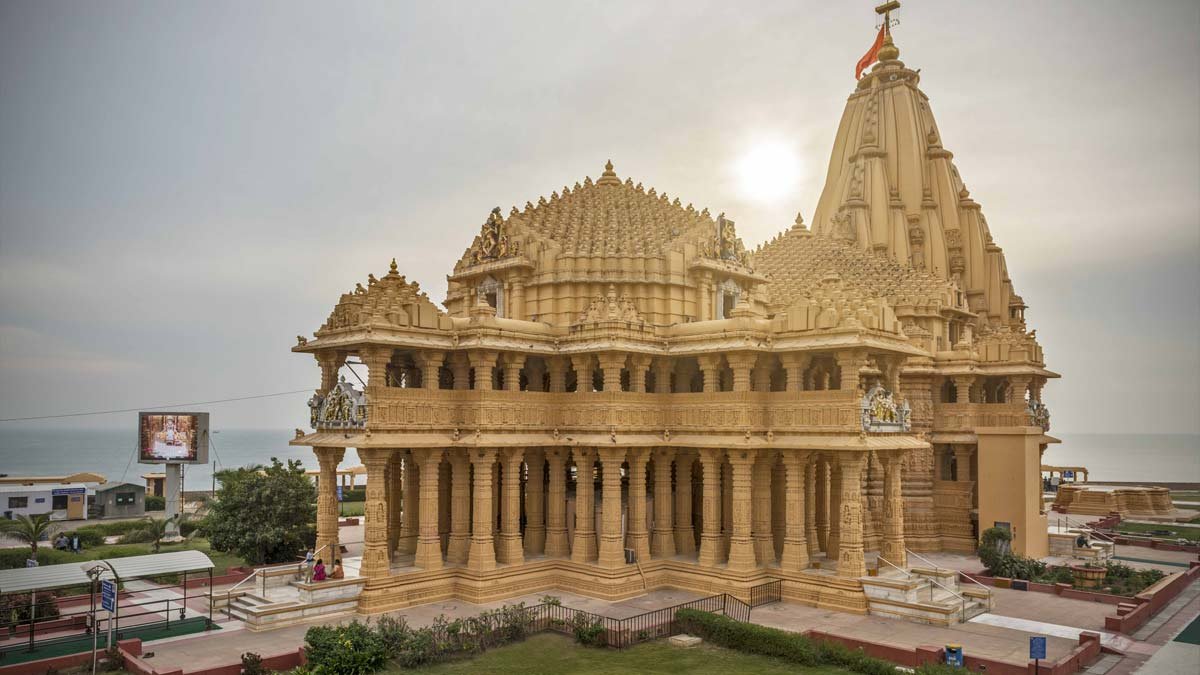
  • Located in Prabhas Patan, Veraval, Gujarat, Somnath Temple is dedicated to Lord Shiva and is the first among the Twelve Jyotirlinga shrines of Lord Shiva.
  • The first version of the Somnath temple was built around the 9th century CE.
  • It is believed that first this holy temple was built by the Moon God with gold, by Ravana in silver, by Krishna in wood, and by Bhimdev in stone.
  • Reconstructed several times in the past after repeated destruction by several Muslim invaders and Portuguese the present temple was reconstructed in Chaulukya style of Hindu temple architecture and completed in May 1951.
  • The present temple is in Māru-Gurjara style (Chaulukya or Solanki style) of architecture.

somnath temple

Māru-Gurjara Architecture

  • It is a style of Hindu architecture that flourished under the patronage of the Solanki rulers in the north-western parts of India, including Gujarat and Rajasthan.
  • It is an amalgamation of three parent styles:
    • Māru Desa from Mewar, Rajasthan.
    • Māha Gurjara from parts of Gujarat – Kutch, Saurashtra, Abu Proper, and North Gujarat.
    • Saurashtra from the Lower Saurashtra and Western Kutch.
  • The temple walls are devoid of any carvings.
  • The garbhagriha is connected with the mandapa both internally and externally.
  • The presence of a Surya-kund (Step tank) is the unique feature of this style. The steps of the tanks are full of small temples.
  • Most of the temples are east-facing and are designed in such a way that each year, the sun’s rays fall directly into the central shrine during equinoxes (day and night are equal).
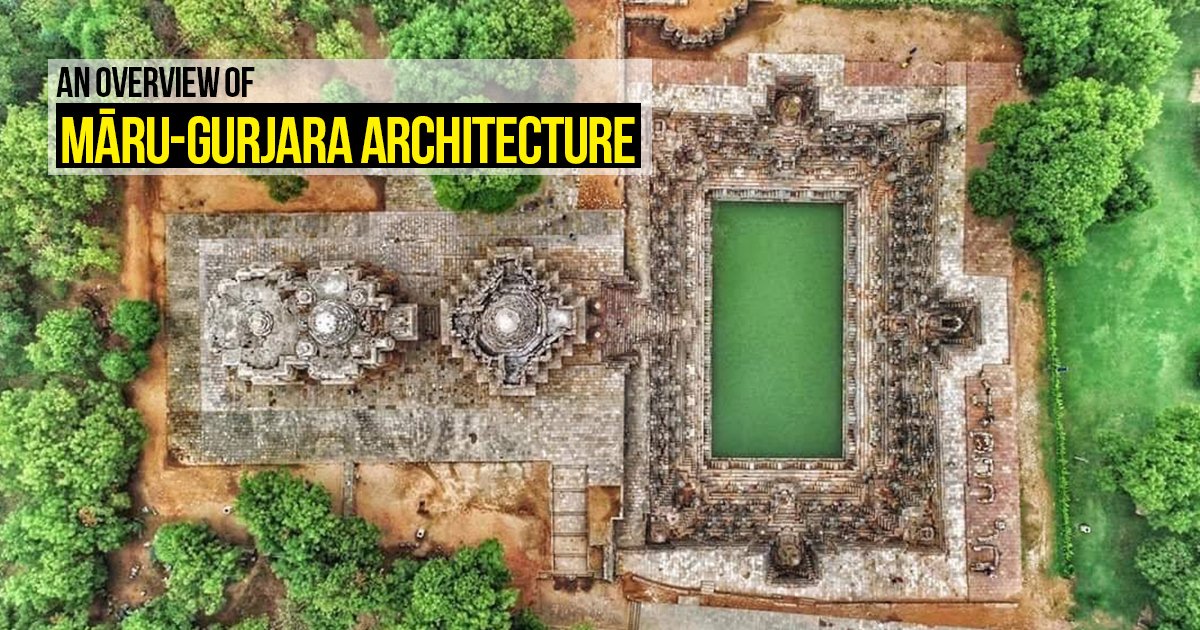
 Māru-Gurjara architecture

Never Miss an Update!

Leave a Reply

Your email address will not be published. Required fields are marked *